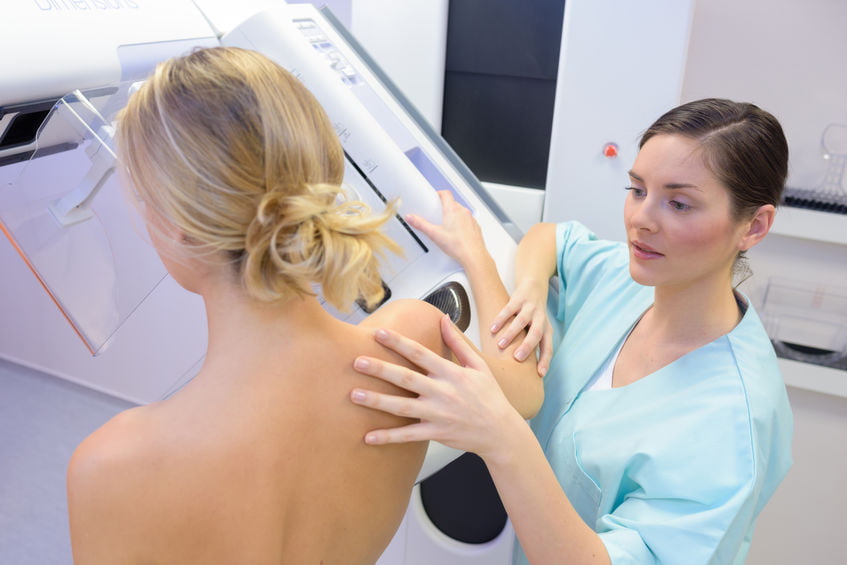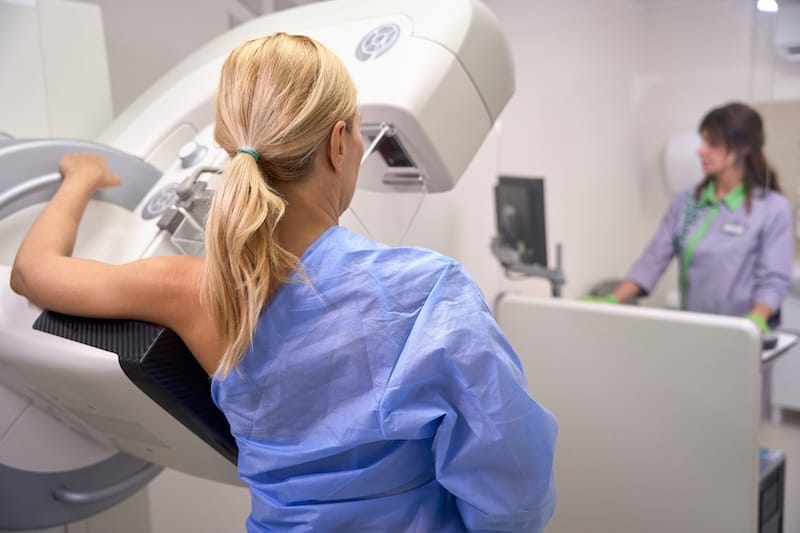
Decoding Dense Breasts
At Flying Horse Medical Center, we believe patients should feel informed and confident when making decisions about breast health. One term that often causes confusion after a mammogram is “dense breasts.”
Breast density describes the proportion of fibrous and glandular tissue compared with fatty tissue in the breast. It is a normal characteristic—not an illness—and it can change over time with age, hormonal factors, pregnancy, and certain medications.
Breast density is determined by a radiologist using mammography images. It is commonly reported in four categories:
- Almost entirely fatty
- Scattered areas of fibroglandular density
- Heterogeneously dense
- Extremely dense
The last two categories are generally considered “dense.” Density is not based on how a breast feels during a physical examination, and it is not the same as breast size or firmness.
Why Can Dense Tissue Affect Mammogram Accuracy?
On a mammogram, fatty tissue usually appears dark, while dense tissue appears white. Many breast abnormalities, including some cancers, can also appear white. When dense tissue is present, it may make a small abnormality more difficult to see. This is sometimes described as a “masking” effect.
Dense breasts are also associated with a modestly increased risk of developing breast cancer compared with breasts that contain more fatty tissue. Having dense breasts does not mean that cancer is present, and most people with dense breasts will not develop breast cancer.
However, breast density is one factor your healthcare professional may consider alongside age, family history, previous biopsy results, genetic risk, and other personal health information. Your density category is important, but it is only one part of the overall screening picture.
What Follow-Up Imaging May Be Recommended?
A routine screening mammogram remains an important tool for many patients, including those with dense breasts. Depending on your overall risk and the type of density reported, your clinician or radiologist may discuss additional imaging options.
3D Mammography
Digital breast tomosynthesis, often called 3D mammography, captures images from multiple angles. This can help separate overlapping tissue and may improve visualization in some patients with dense breasts.
Breast Ultrasound
Breast ultrasound uses sound waves to produce images of breast tissue. It may help evaluate areas that are difficult to assess on a mammogram and can sometimes identify findings that are not visible on a standard mammogram.
However, ultrasound can also lead to additional callbacks or biopsies for findings that are ultimately benign. Your provider can explain the potential benefits and limitations before recommending this test.
Breast MRI
Breast MRI uses a magnetic field and contrast material to create highly detailed images. It is generally recommended for people with a significantly elevated lifetime risk of breast cancer or specific clinical indications. Breast density alone may not automatically mean that an MRI is necessary.
Contrast-Enhanced Mammography
Contrast-enhanced mammography uses contrast material along with mammographic imaging to highlight certain areas of increased blood flow. It may be considered in selected situations, depending on your medical history, local availability, and the recommendation of your care team.
How Do You Know Which Test Is Right for You?
There is no single follow-up test that is best for every person with dense breasts. Recommendations should be individualized.
Your provider may consider:
- Breast density category
- Age and overall health
- Previous mammogram results
- Family history of breast cancer
- Genetic testing results
- Prior biopsies
- Current breast symptoms
- Estimated lifetime breast cancer risk
Some patients may need routine screening only, while others may benefit from supplemental imaging or referral to a high-risk breast clinic.
It is also important to understand the possible trade-offs. Additional imaging may detect cancers that are not visible on a standard mammogram, but it can also produce false-positive findings, extra appointments, anxiety, and sometimes unnecessary biopsies.
Before scheduling an additional test, ask what it can detect, what its limitations are, whether contrast is required, and how the results could affect your care.
Stay Current With Screening
If your mammogram report says you have dense breasts, do not panic or skip future screenings. Keep your regular appointments, learn your personal risk factors, and share any new breast changes with a healthcare professional promptly.
These changes may include a new lump, nipple discharge, skin dimpling, nipple changes, or persistent localized pain. A notification about breast density is an invitation to have a more informed conversation—not a diagnosis.
Talk With Flying Horse Medical Center
Understanding breast density can help you make thoughtful decisions about screening and follow-up care. Contact Flying Horse Medical Center to discuss your mammogram results, review your personal risk factors, and determine whether additional imaging may be appropriate for you. Our team is here to provide clear guidance and compassionate support at every step of your breast-health journey.