Plastic Surgery After GLP-1 Weight Loss
GLP-1 medications such as Ozempic, Wegovy, Mounjaro, and Zepbound have transformed weight loss for millions of people—especially women and Moms who have struggled with stubborn weight despite diet, exercise, and discipline.
But for many patients, significant medical weight loss comes with an unexpected reality:
👉 The scale changes faster than the skin can adapt.
Loose skin, deflation, and changes in body contour are not a failure of effort—they are a predictable biological response to rapid weight loss. This is where plastic surgery after GLP-1 weight loss can play a medically appropriate, confidence-restoring role.
As a Board-Certified Plastic Surgeon and Mom, I work with many women navigating this exact phase—proud of their weight loss, yet frustrated by what remains.
Why GLP-1 Weight Loss Affects the Body Differently
GLP-1 medications promote rapid, sustained weight loss by reducing appetite and improving insulin sensitivity. While this is a powerful medical tool, the speed of fat loss often outpaces the skin’s ability to retract—especially in women who have:
- Experienced pregnancy
- Breastfed
- Gained and lost weight multiple times
- Entered perimenopause or menopause
- Lost 40, 60, 80+ pounds medically
Skin elasticity has limits. Once stretched beyond a certain point, exercise builds muscle—but it does not remove excess skin.
Plastic surgery exists precisely for this reason.
Is Plastic Surgery Appropriate After Medical or GLP-1 Weight Loss?
Yes—when done thoughtfully, safely, and at the right time, plastic surgery can be a natural next step after medical weight loss.
Ideal candidates typically:
- Are at or near a stable goal weight
- Have been weight-stable for several months
- Are medically optimized
- Want to address loose skin, deflation, or contour irregularities
This is not about vanity.
It’s about restoring proportion, comfort, and confidence after a major health transformation.
Head-to-Toe: How Plastic Surgery Can Help After GLP-1 Weight Loss
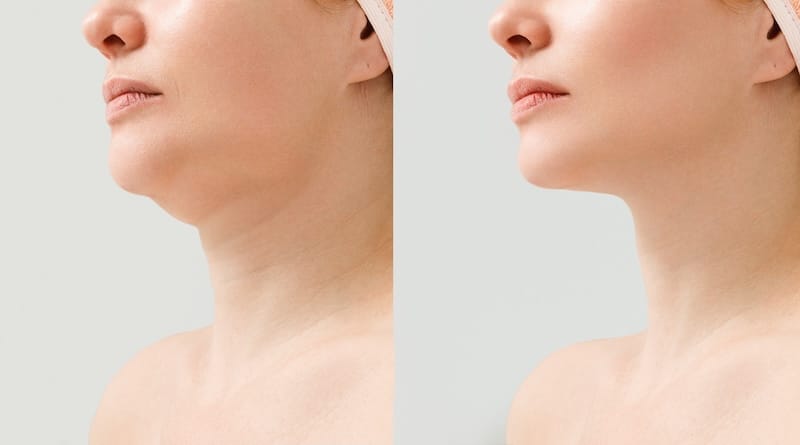
Face & Neck: “Ozempic Face” and Deflation
Rapid fat loss can lead to:
- Facial hollowing
- Jowling
- Neck laxity
- A tired or aged appearance
Procedures may include:
- Facelift or Mini Facelift
- Neck Lift
- Fat Frafting
- Eyelid Surgery (blepharoplasty)
These procedures can restore balance and softness without looking “overdone.”
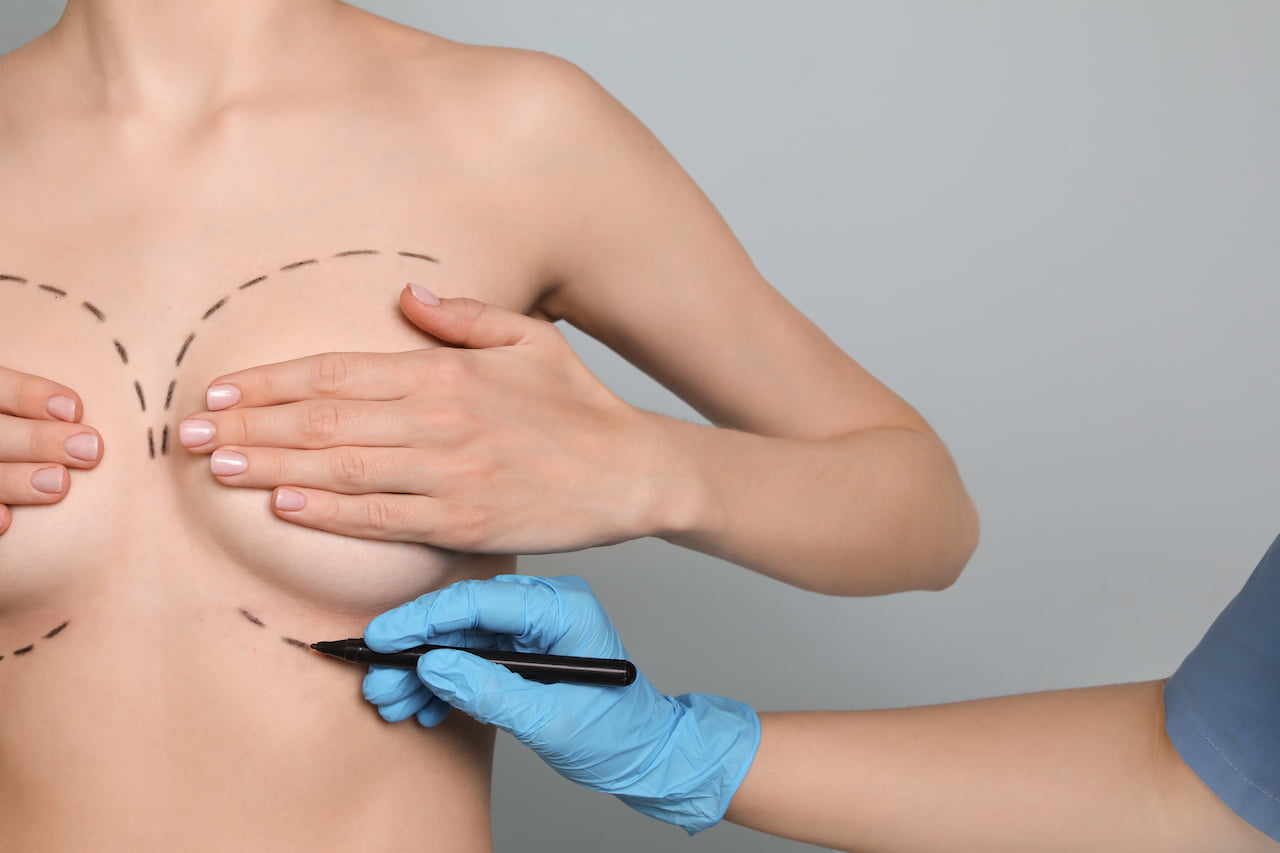
Breasts: Deflation, Sagging, and Loss of Volume
Weight loss—especially after pregnancy—often leads to:
- Loss of upper pole fullness
- Breast ptosis (sagging)
- Asymmetry
Options include:
- Breast Lift
- Breast Augmentation
- Breast Lift with Augmentation
- Fat Transfer to the Breasts
For many Moms, this is about feeling proportional again—not bigger.
Abdomen: Loose Skin and Muscle Separation
The abdomen is one of the most affected areas after GLP-1 weight loss.
Common concerns:
- Hanging skin
- Stretch marks
- Weakened abdominal wall
- Diastasis recti (especially after pregnancy)
A Tummy Tuck can:
- Remove excess skin
- Tighten the abdominal muscles
- Improve posture and core stability
- Restore a smoother contour
Exercise cannot reverse loose skin or repair separated muscles.
Arms: “Bat Wings” After Weight Loss
The upper arms often lose elasticity with weight loss, leading to:
- Excess hanging skin
- Difficulty wearing sleeveless clothing
Arm lift (Brachioplasty) can dramatically improve contour and comfort.
Thighs & Lower Body
Inner and outer thighs may develop:
- Skin laxity
- Chafing
- Loss of shape
Thigh Lift (Thighplasty) procedures can improve function and appearance, especially for women who are active but limited by excess skin.
Back & Bra Line
Many women notice loose skin along the:
- Upper back
- Bra line
- Flanks
A Back Lift or extended body contouring (Body Lift) can address these often-overlooked areas.
Why Many Women Prefer a Female Plastic Surgeon After Weight Loss
Many of my patients specifically seek out a female plastic surgeon—especially Moms—because they want someone who:
- Understands pregnancy and postpartum body changes
- Appreciates the emotional complexity of weight loss
- Respects modesty and vulnerability
- Takes a comprehensive, woman-centered approach
As a Mom myself, I understand that these decisions are rarely impulsive. They come after years—sometimes decades—of putting everyone else first.
My Training & Perspective
My approach to plastic surgery is grounded in rigorous training and patient-centered care:
- Harvard University – Undergraduate education
- Duke University School of Medicine – Medical degree
- Northwestern University – Plastic Surgery residency
- Advanced Aesthetic Fellowship in the Beverly Hills / West Hollywood area
This background allows me to combine technical precision, aesthetic judgment, and medical safety—especially important for post-weight-loss patients.
When Is the Right Time for Surgery After GLP-1 Weight Loss?
Timing matters.
Most patients should:
- Reach a stable weight
- Maintain that weight for several months
- Ensure nutritional optimization
- Have realistic expectations
A personalized consultation is essential—there is no one-size-fits-all timeline.
Final Thoughts: This Is Not “Undoing” Weight Loss—It’s Completing It
GLP-1 medications help change weight. Plastic surgery can help address what weight loss alone cannot. For many women and Moms, surgery is not about chasing perfection—it’s about aligning the outside with the effort already made.
If you’ve worked hard to improve your health, it’s okay to explore options that help you feel comfortable and confident in your body again.